Blog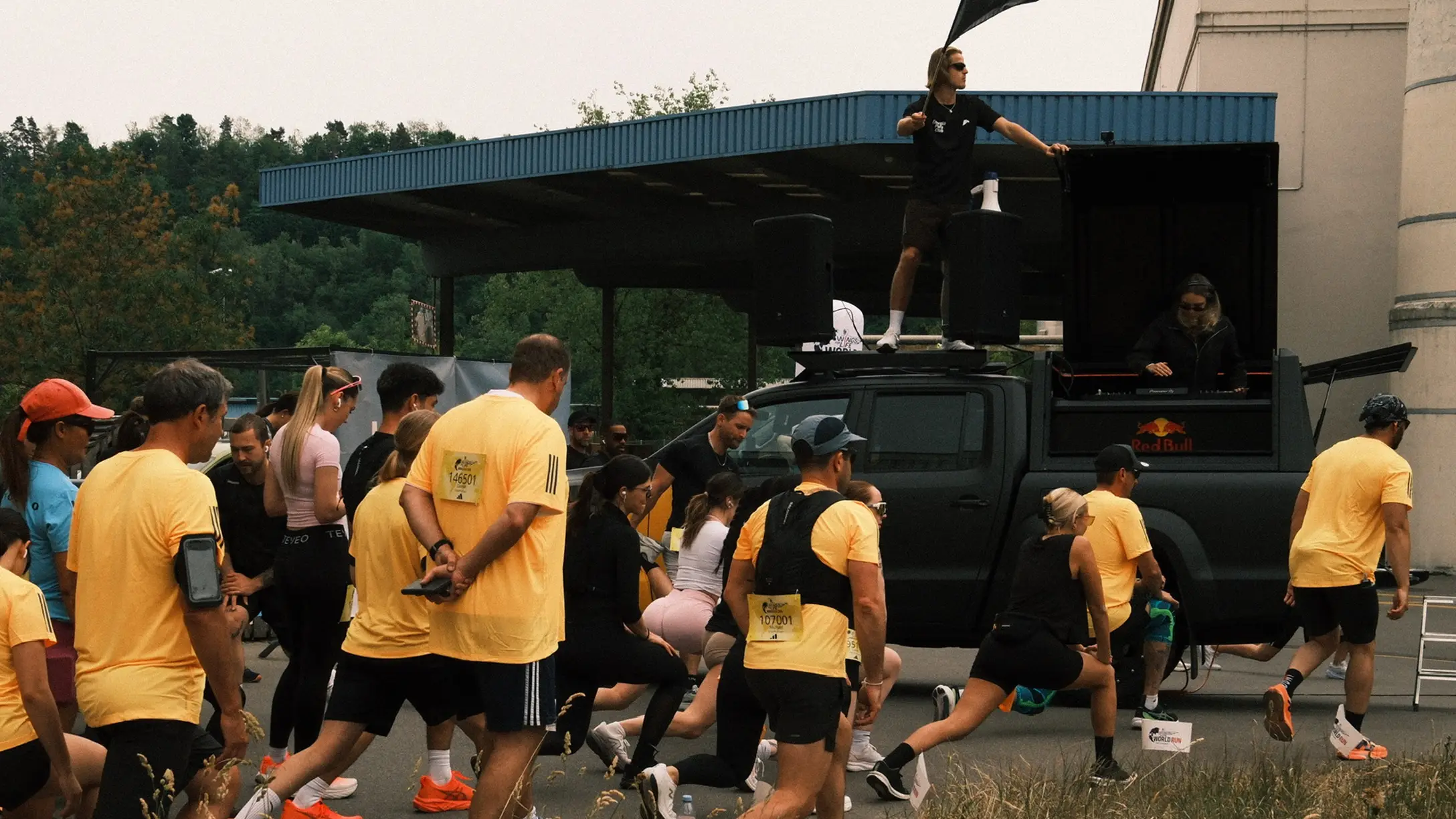
4 August 2026
What small swiss sports brands get right about merch.
The sharpest merch thinking in Switzerland is happening at small studios and run clubs — not because of budget, but because the merch already belongs somewhere.
The usual advice is to learn from the big global brands — the household names, the major clubs, the companies with the biggest budgets. But some of the sharpest merch thinking in Switzerland right now is happening somewhere much smaller: at independent studios, run clubs and coaches most people have never heard of.
The biggest difference isn't budget. It isn't better design. It isn't even better products. It's that the merch already has somewhere to belong before it's ever produced.
The best merch doesn't feel like merch. Here's what small Swiss sports brands get right — and what any brand can borrow from them.
They don't start with a product. They start with people.
Most merch projects begin with a product catalogue: choose a T-shirt, add a logo, place an order. Small sports brands tend to work the other way round. They know exactly who they're designing for — who shows up every Saturday morning, what people already wear, the routines, the inside jokes and the little details outsiders never notice.
The merch grows out of that culture instead of trying to create one. It may be a slower way to start, but it's the difference between a giveaway and something that genuinely belongs to a brand.
The branding is quiet. The pride is loud.
You might expect a small brand to make its logo as visible as possible. Most of the time, they do the opposite. The message is strong, but the branding is subtle — nothing shouts "merch".
Because people don't wear logos. They wear identities.
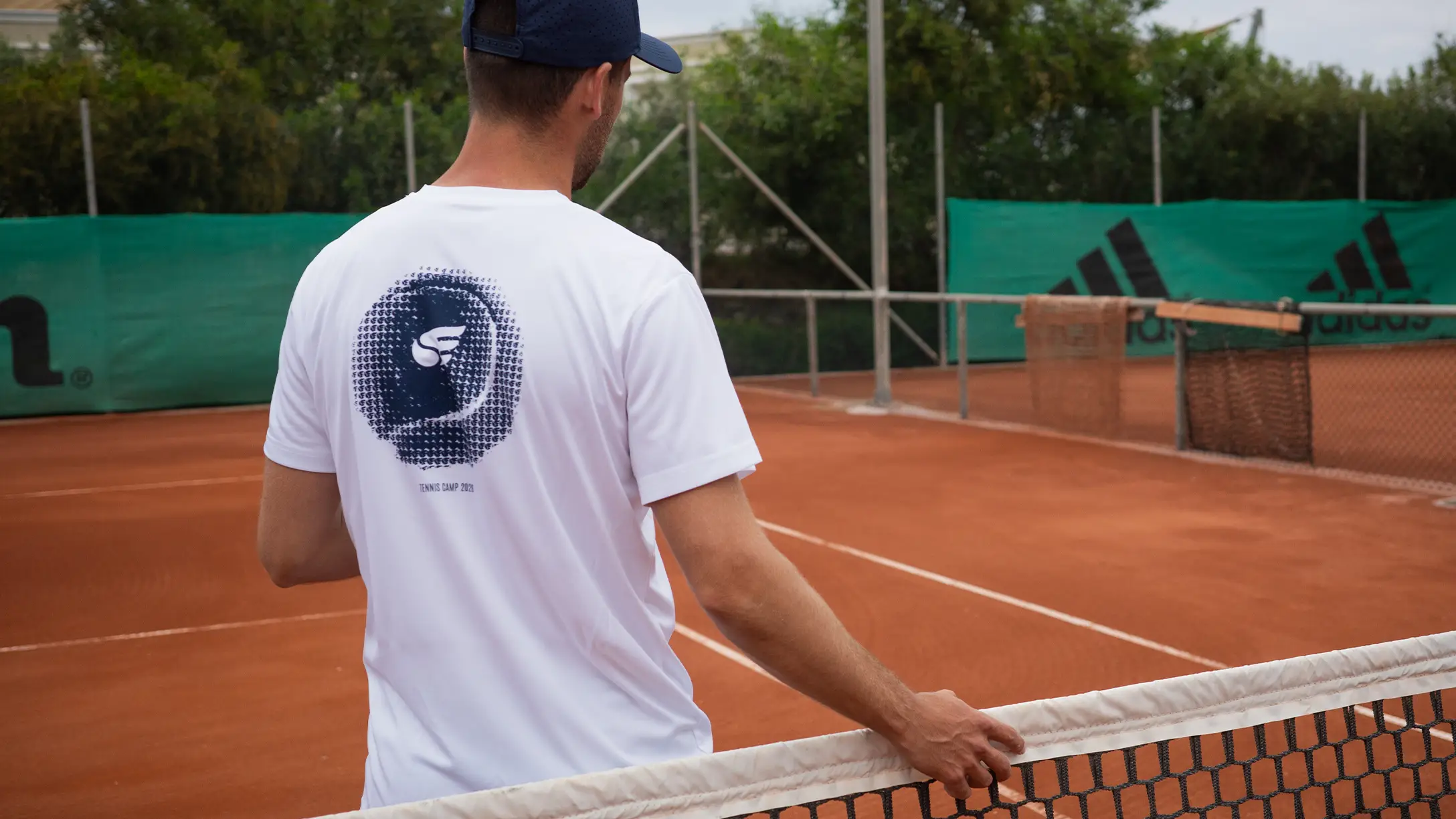
That restraint is exactly why these pieces get worn voluntarily — not only at the studio, during training or at the club, but in everyday life. A big logo asks to be seen. A good piece simply gets worn, and does the seeing for you.
It doesn't have to be a t-shirt.
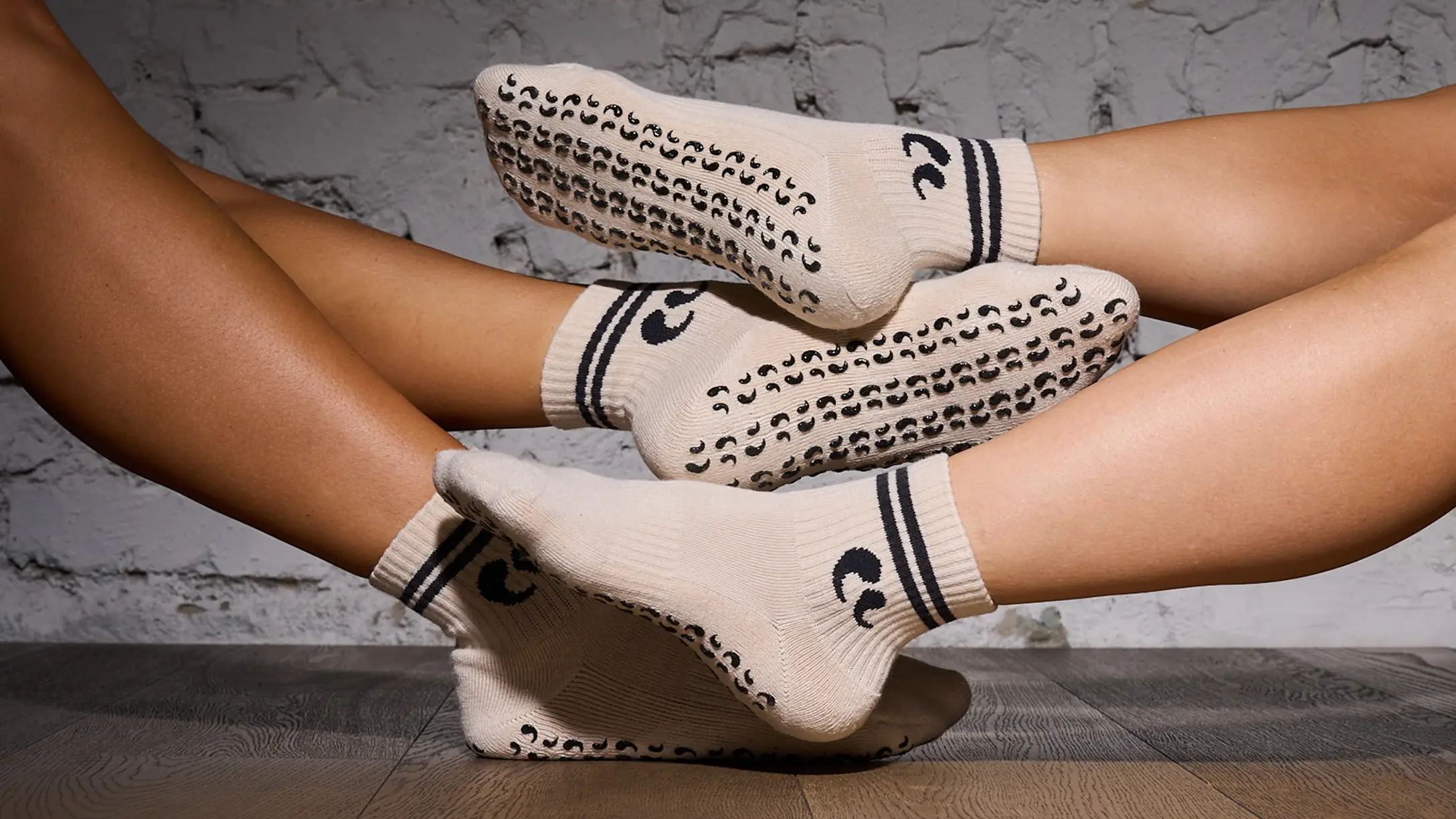
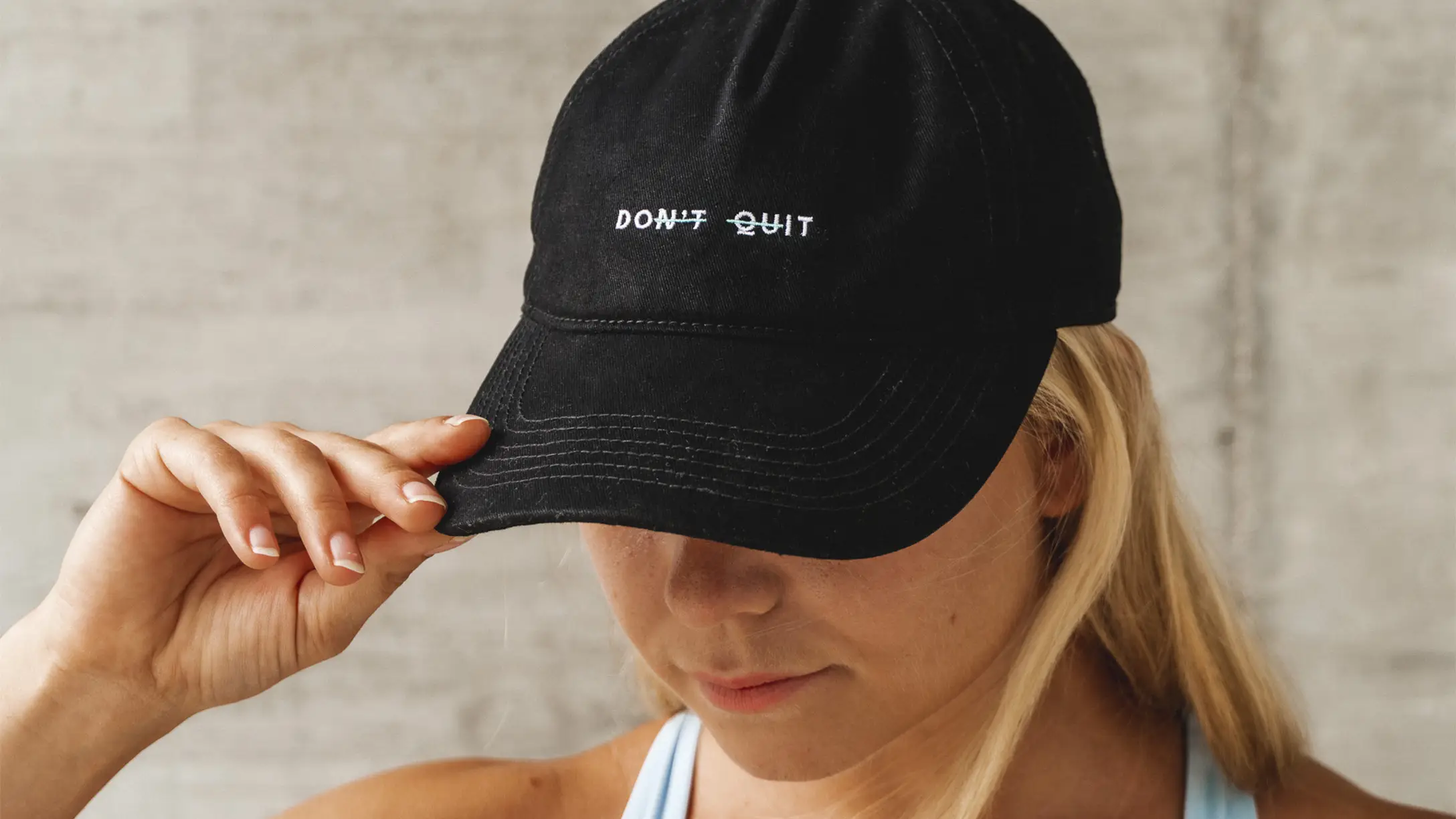
Small brands don't automatically assume that merch has to mean apparel. Sometimes the right piece is a cap that quietly becomes someone's favourite, or a pair of socks everyone wears every weekend, or a flag that helps a run club find each other before they've even started running.
The question isn't "what product should we make?" — it's "what would make this community more visible and feel even more like itself?" Whatever answers that question is the merch.
It has to survive real life.
The other thing small sports brands understand is that the piece has to hold up. Not merch that looks good in a campaign image and pills after one wash, but pieces made for real use — moving from training or the studio straight into everyday rotation.
When something is good enough to keep wearing, it works much harder for the brand than any disposable promotional product ever could. When it isn't, it's simply a cost with a logo on it.
It all comes back to a real community.
Small brands aren't winning because they have bigger budgets. They're winning because there's a real community behind the merch, and the merch simply makes that community wearable.
The good news is that bigger brands have communities too — a team, a customer base, members or a following. They just don't always treat them like one. Start with the people who would genuinely wear the product, and merch stops being a guessing game.
Good merch doesn't create community. It gives an existing one something to wear.
Building something around a community?
Whether you're a studio, a club or a company, that's exactly the kind of project we love. Tell us who you're building for, and we'll help you create something people will actually want to wear.
AG
Alina
blaenk studio