Blog
8 July 2026
A t-shirt has a weight. In July, it's the part that matters.
"180 GSM" sits on every t-shirt spec and most people skip it. Here's what fabric weight means — and which weight actually works for summer.
Somewhere on every t-shirt spec there's a number like "180 GSM." Most people read straight past it. But on a hot July afternoon, that little number is doing more work than the colour or the cut.
Here's what it actually means — and which weight to reach for when it's warm.
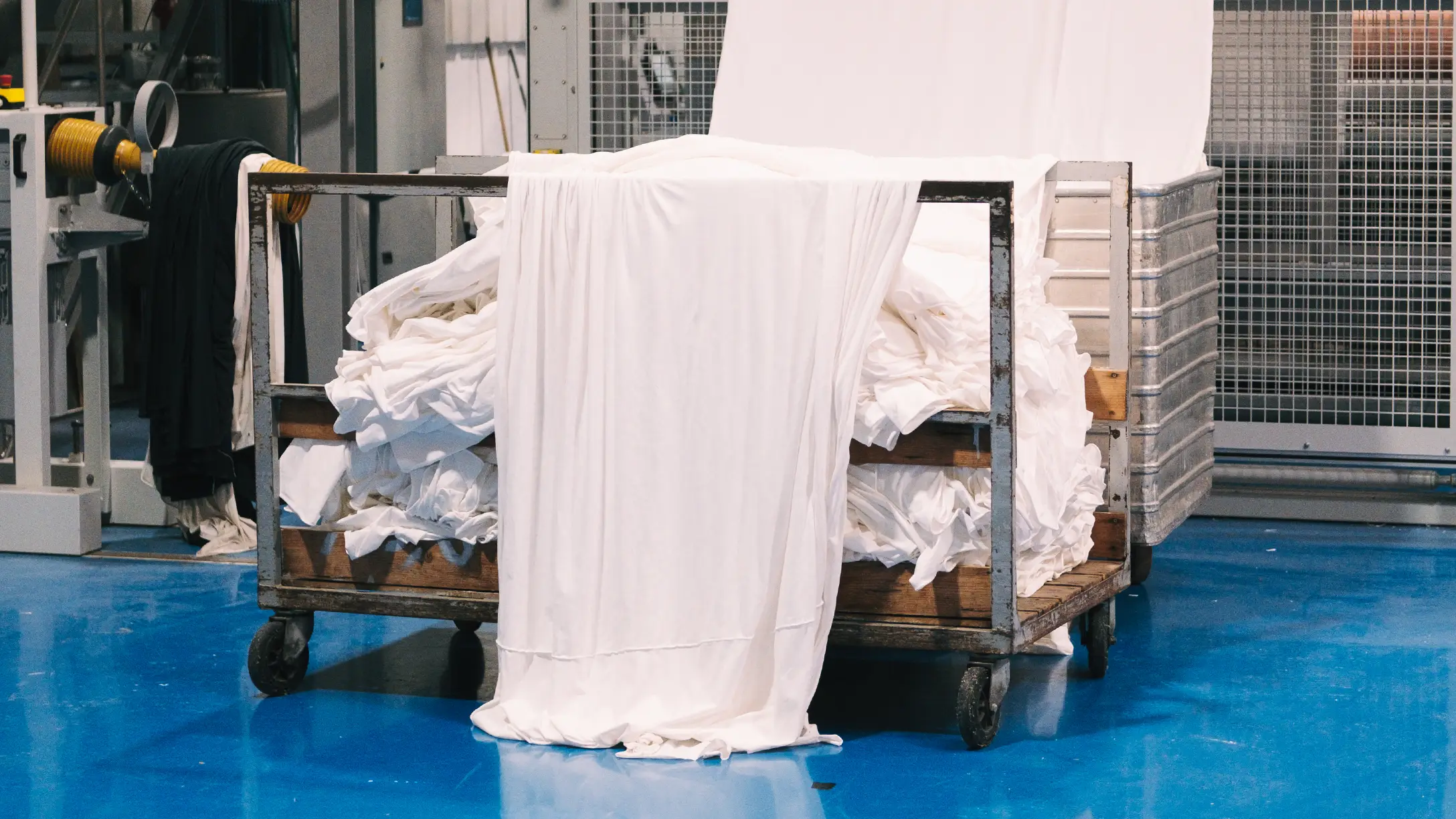
GSM is just how much fabric is in the fabric.
GSM means grams per square metre — literally how much one square metre of the fabric weighs. More grams means more yarn packed into the same space: denser, heavier, more opaque. Fewer grams means lighter, thinner, more breathable.
That's the whole concept. Everything else is what that weight does once you're wearing it.
Light, medium, heavy — and what each is for.
Roughly:
- around 150–180 GSM is the lighter end — soft, breathable, with a bit of drape, but still enough substance to feel good. Summer tees, sport, layering. (Thinner exists, down to ~120, but it gets sheer and flimsy fast — we rarely go that low.)
- around 170–200 GSM is midweight — the all-rounder. Holds its shape, takes a print well, works most of the year.
- 200 GSM and up is heavyweight — structured, opaque, built for cooler months and pieces you want to keep for years. (Hoodies are a category of their own — more on that in a second.)
A quick word on heavyweight, because it's the one we keep coming back to. A proper heavyweight tee sits around 230–270 GSM — the 270 GSM shirt we love has real body to it: it hangs straight instead of clinging, the fabric feels substantial in your hand, and a print sits on it beautifully. That's the difference between a shirt that reads as a throwaway and one people actually keep wearing. Hoodies go further still — ours land around 450–500 GSM, which is where that heavy, almost cocooning weight comes from.
None of these is "better." A heavyweight tee in August is a sauna; a feather-light one in a print-heavy winter drop feels thin. It's about matching the weight to the job.
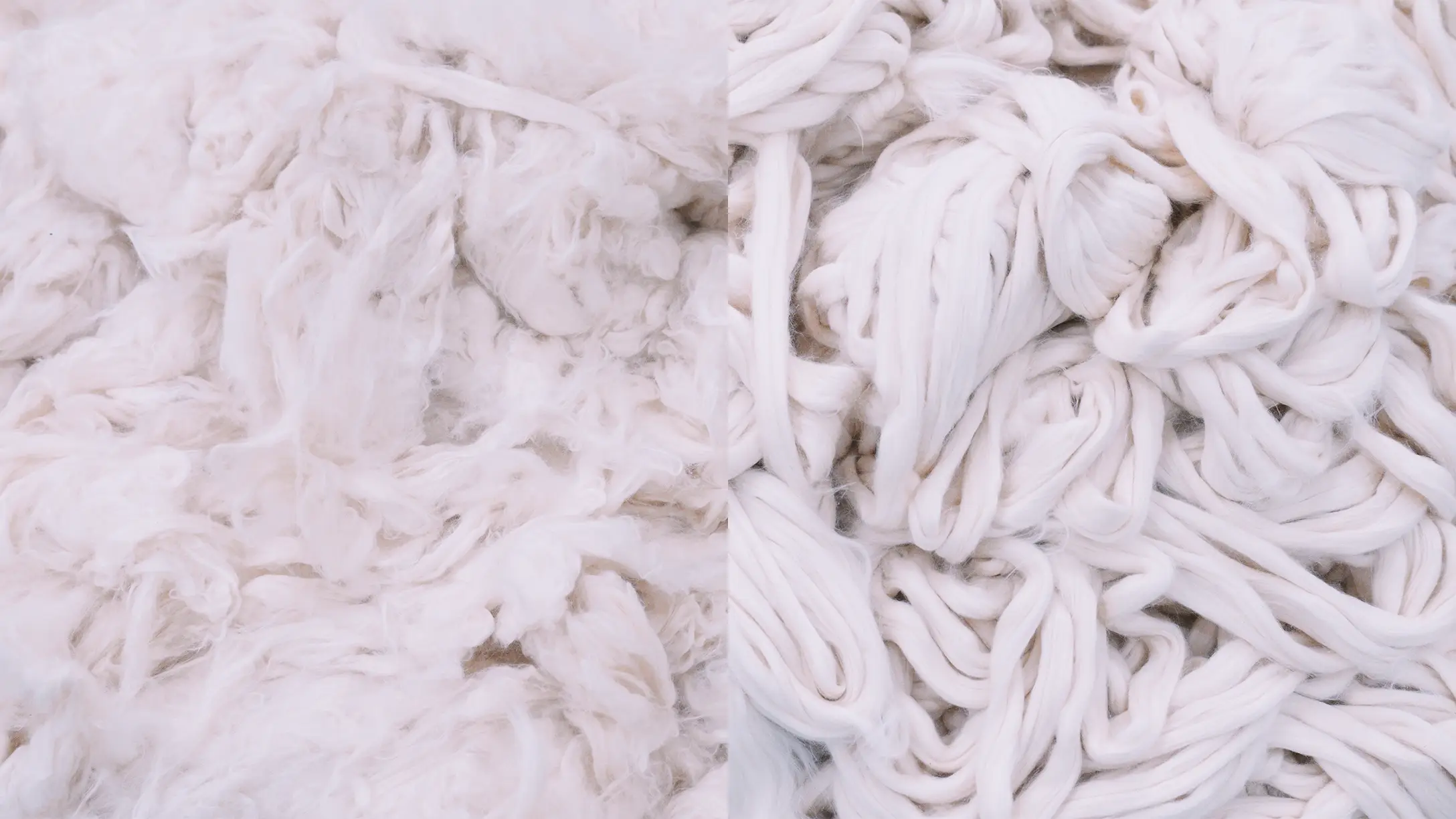
For July, lighter usually wins.
If the merch is for summer — an event, a festival, a warm-weather drop — you're looking at the lighter end, but not the super-thin stuff. Something around 150–180 GSM in a single jersey breathes, moves, and doesn't cling the moment it gets warm.
One honest catch: go too light and a tee starts to feel flimsy, and a print can shadow through from the other side. That's why we rarely drop below the mid-150s — around 160 GSM is a good sweet spot for summer merch: breathable, but with enough body to carry a design and still feel like something worth keeping.
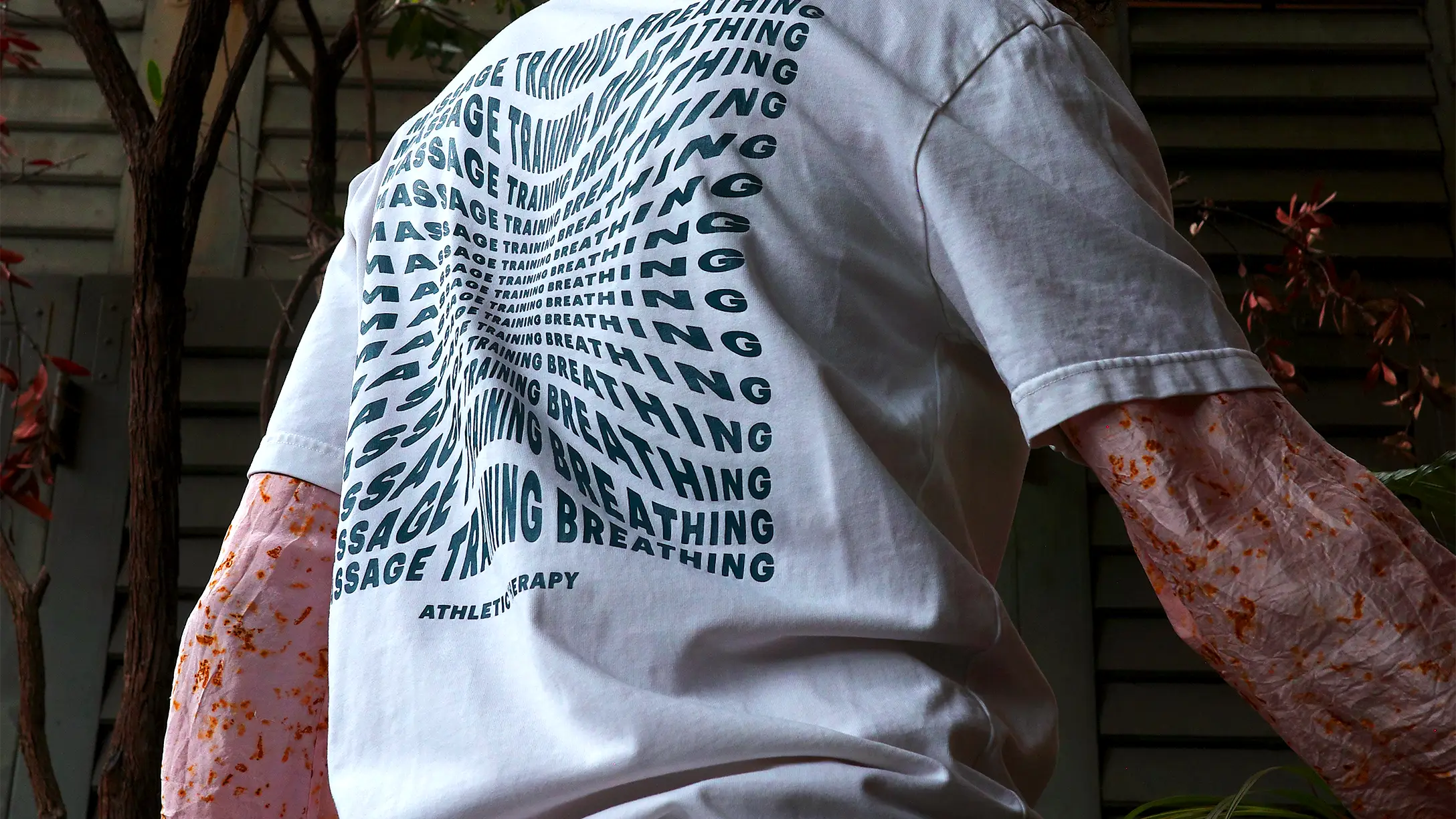
The number isn't the whole story.
Here's the part a spec sheet won't tell you: two shirts at the same GSM can feel completely different. A single jersey, an interlock and a piqué all at 180 GSM behave in their own ways — one drapes, one feels dense and smooth, one has texture and breathes. Cotton and a cotton blend at the same weight feel different again.
So GSM is a great shortcut, not a verdict. It gets you to the right neighbourhood — then you still have to hold the fabric to be sure. Which is exactly why we sample before a run.
Not sure what weight your merch needs?
Tell us how it'll actually be worn — a summer giveaway, an everyday hoodie, a drop meant to last — and we'll point you to the weight that fits.
AG
Alina
blaenk studio