Blog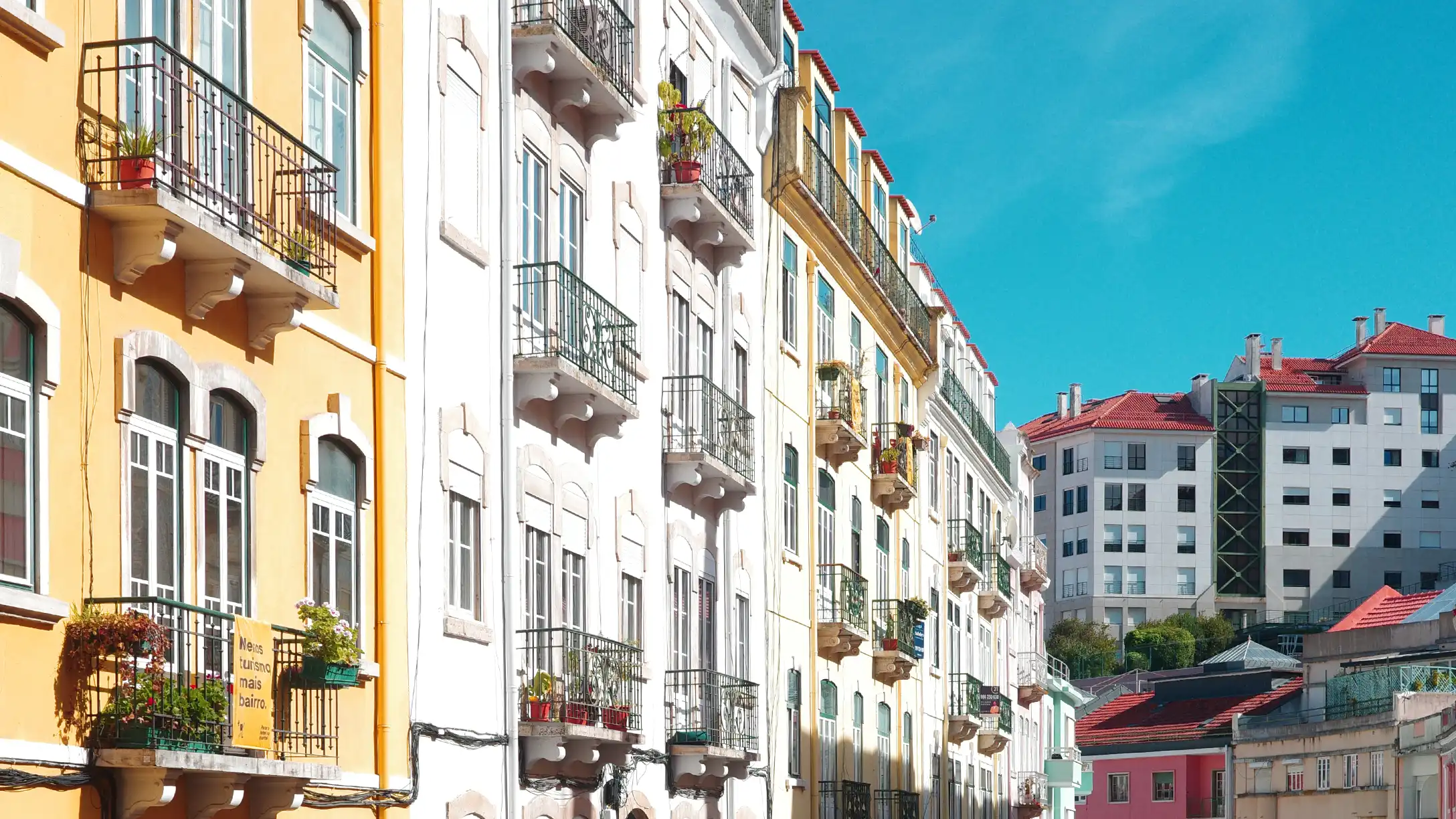
30 April 2026
Between steep hills, blaenk began.
Portugal isn't a spot we picked from a map — we knew it long before production began. Why our production is based there, and what it means in textiles.
Before blaenk existed, I lived in Porto for six months.
I was there for an exchange semester. I went to school there, walked through the city every day, got lost in side streets, and spent way too much time in cafés and restaurants. Back then, I wasn't visiting factories yet. But I got to know the city properly — not through a guidebook, but by living there.
Years later, when blaenk started, we decided to produce in Portugal. It wasn't a random choice from a supplier list. It was a decision with actual ground beneath it.
Porto isn't what people expect.
Porto sounds like a big port city. It isn't.
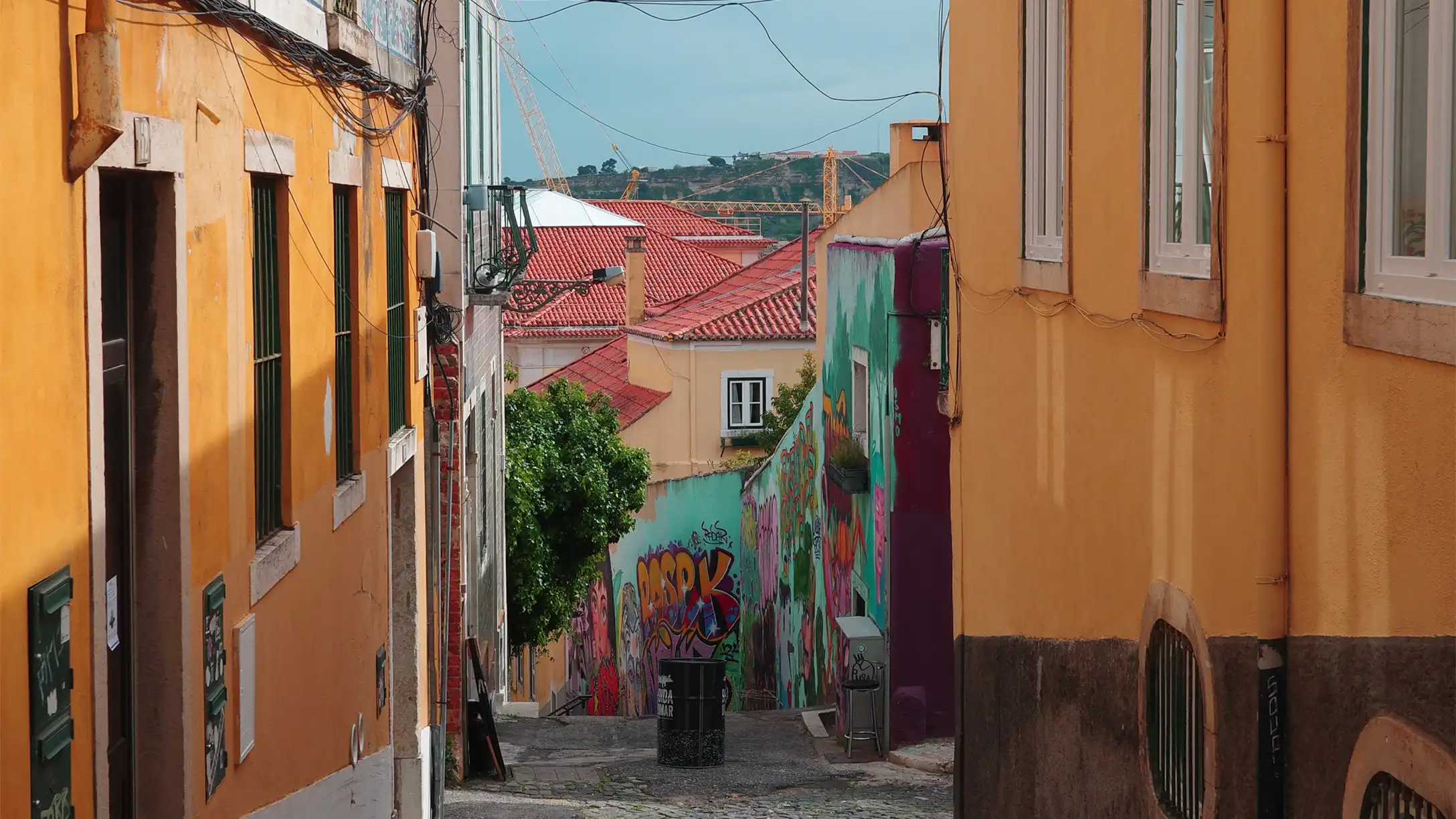
It's surprisingly small — and surprisingly steep. If you want to get to know Porto, you walk. Up, down, up again. I've never climbed that many hills in six months anywhere else in my life.
And somehow, that changes the rhythm of the city. You keep running into the same people because there aren't endless streets. You discover places because you're already walking past them anyway. Small cafés, tiny boutiques, family-run stores.
Portugal knows textiles. It just doesn't shout about it.
What surprised me most back then was how many small local brands existed there. Tiny shops with their own products, their own cuts, their own knitwear — things that never make it to Switzerland, not because they aren't good enough, but because they were never built for mass scale in the first place.
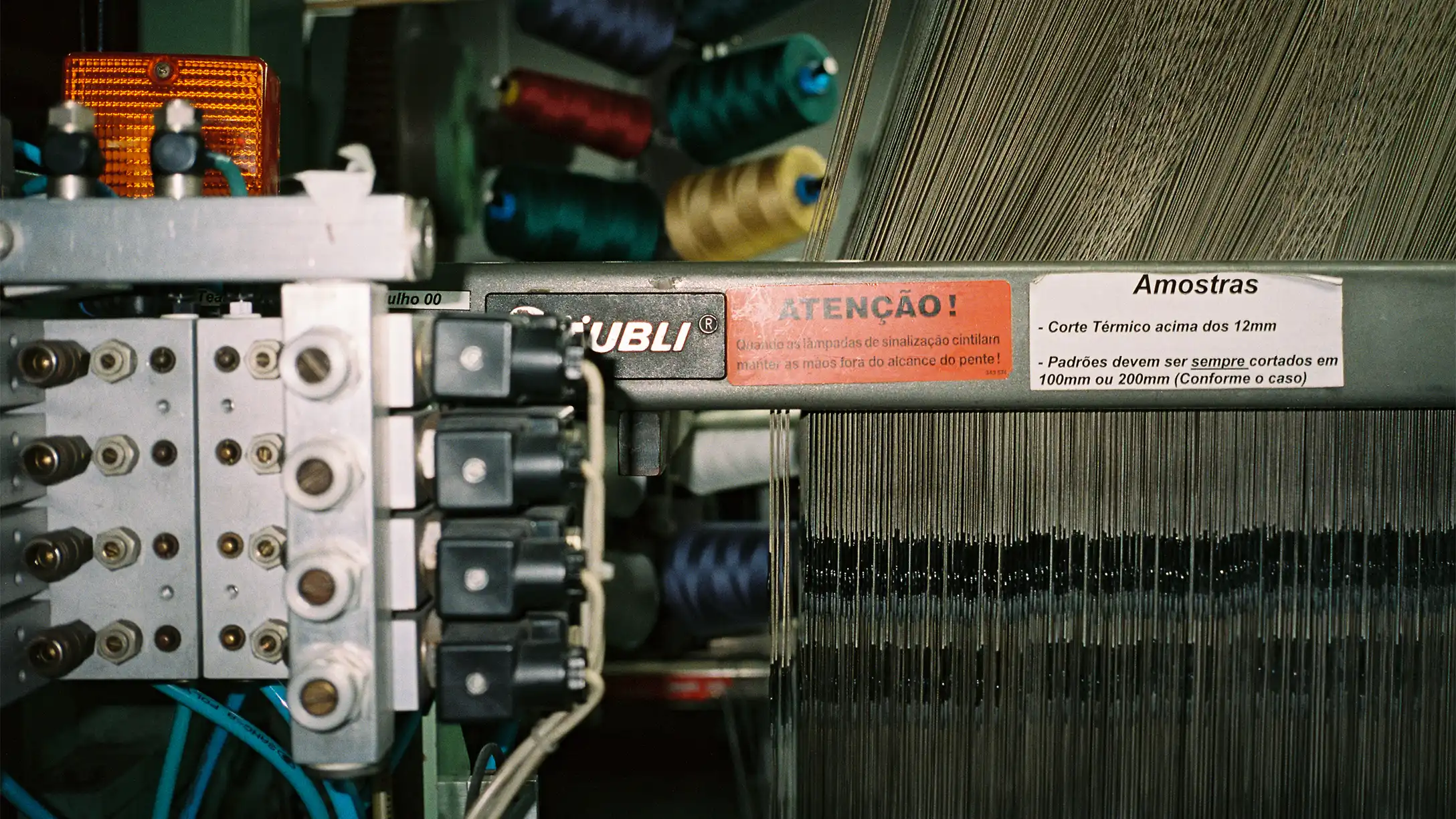
And that isn't accidental. Northern Portugal has been a textile region for decades. Around Porto, you find knitwear factories, dye houses, sewing facilities and finishing specialists — often family businesses, often passed down through generations.
The people making the product are close to the process. Problems get spotted early. Adjustments happen fast. Conversations about yarns, fits or colours don't stay theoretical for long because the production knowledge is already there.
That's what we value most about Portugal — not one single factory, but the ecosystem around it. It allows things that are difficult elsewhere: smaller productions, shorter feedback loops and a level of quality control that's hard to build from far away.
Access takes time. Even there.
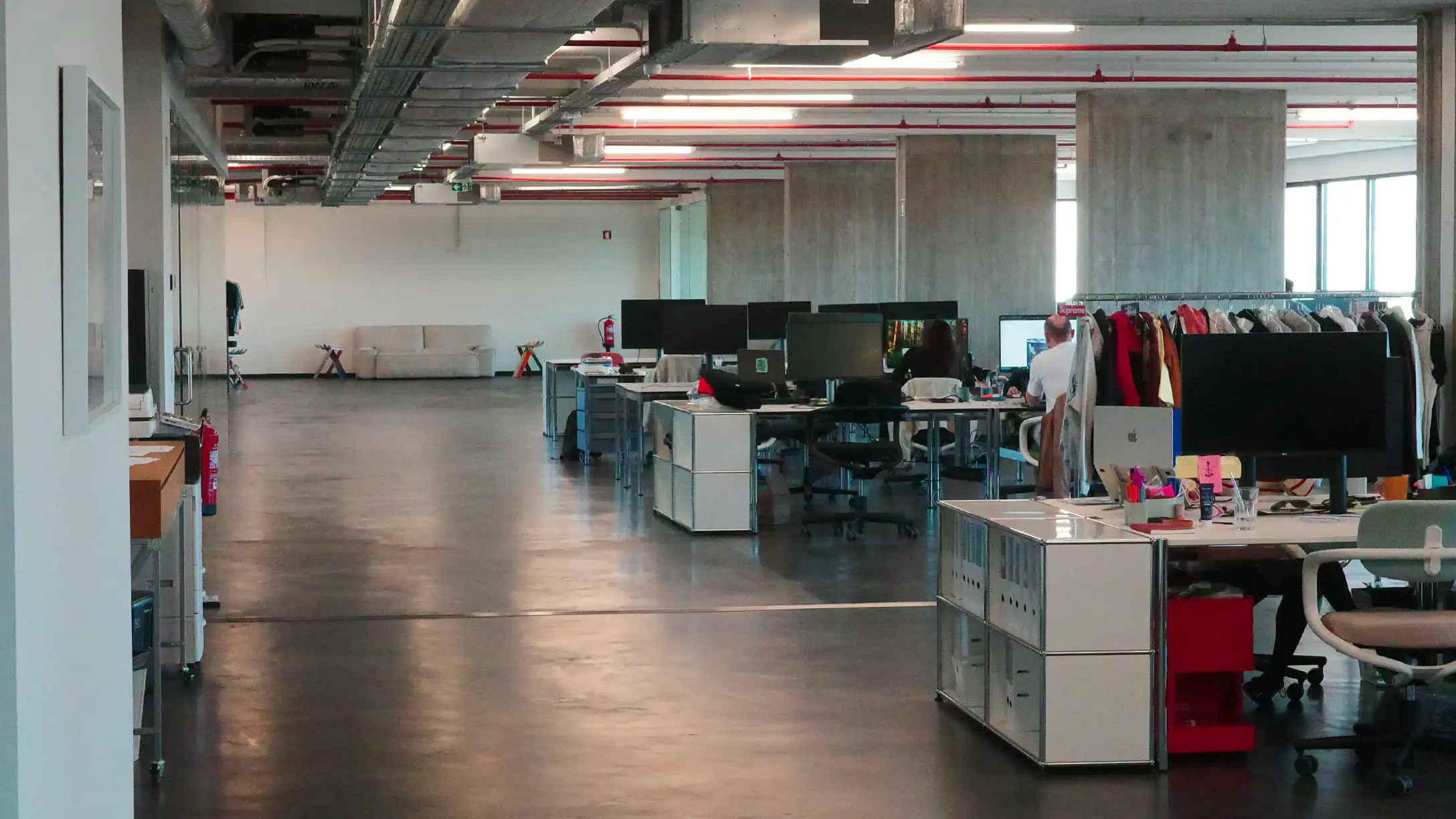
One thing most marketing stories leave out: Portugal isn't self-service. You don't just send a few emails and suddenly have the perfect production partner. Relationships take time. Trust is built through conversations and visits — not forms.
And honestly, that's part of why we like working there. People are incredibly welcoming and open, but partnerships still grow step by step. Things take time to build properly — and once they do, they tend to last.
That's exactly what we've built over the years — not in one week.
We produce there because we know where.
We could have produced elsewhere. In Switzerland, our quantities wouldn't realistically work. Other regions could have worked too, but we would've lost the closeness to the process that matters to us.
Portugal wasn't chosen randomly because it's in Europe. It was chosen because we know it.
We know where our products are made, we know the people behind them, and we can physically be there when needed. That's the difference between "Made in Europe" as a label and "Made in Europe" as an actual decision.
Portugal is chosen, with real ground beneath it.
If you're ever in Porto: three places we kept going back to.
Thinking about your own merch products?
We advise you on materials, production and implementation — and we'll tell you honestly if Portugal is the right fit for your project.
AG
Alina
blaenk studio